

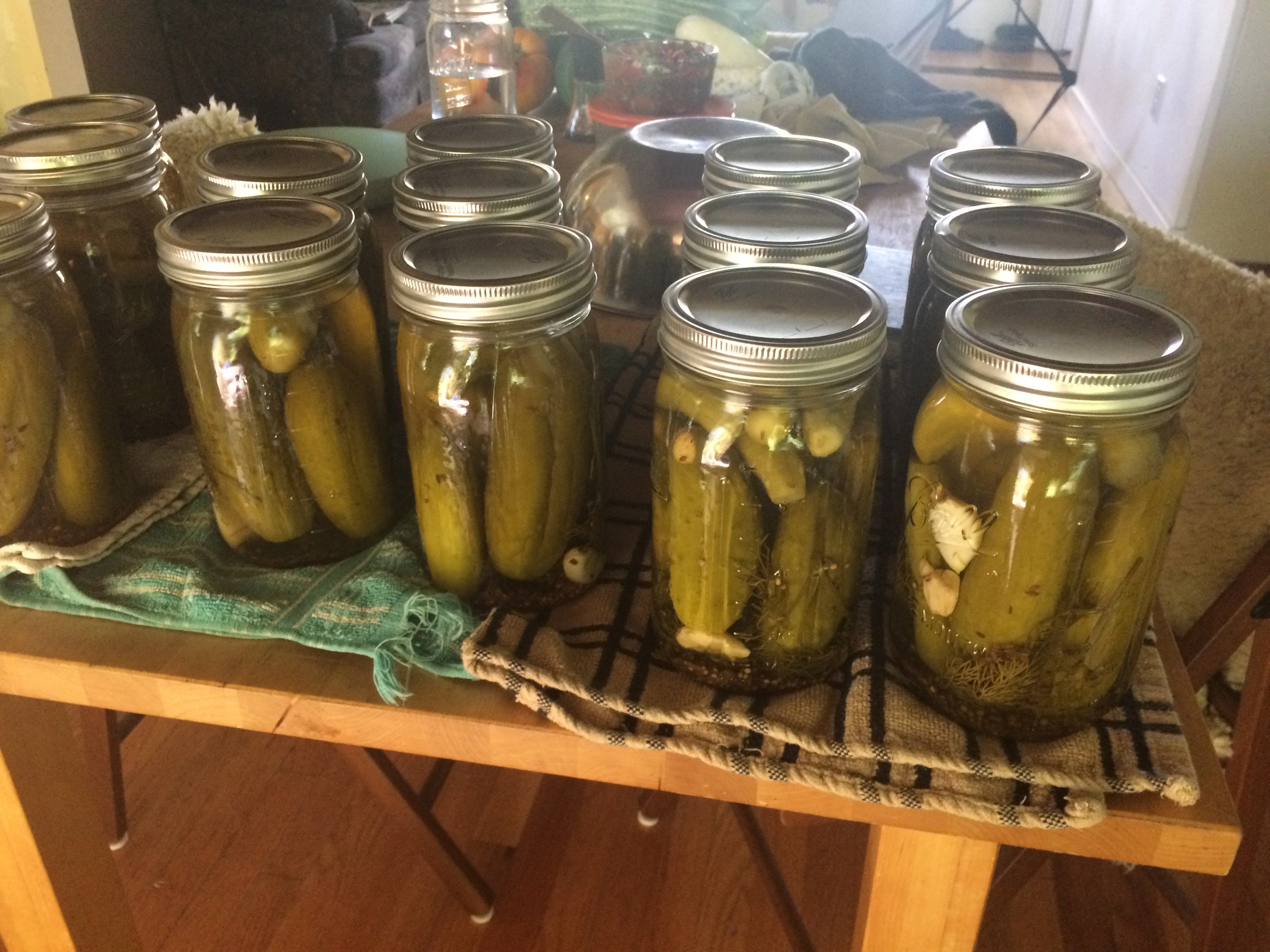
You want to preserve the bounty of your garden this season.
But figuring out where to start can feel overwhelming...
This live webinar mini course with experienced permaculture practitioners gives you a clear, practical path forward so you can stop guessing and start harvesting.
Full course. All four live sessions, guided Canvas mini-course content, and recordings you can revisit anytime. This is the complete path: preserving your harvest, saving seeds for spring, and protecting your soil through winter.
Try it free. Sit in on the first live session and Q&A at no cost — a low-pressure way to see if the series is right for you before enrolling in the full course.
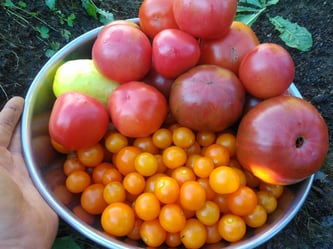
You will learn how to preserve your harvest in ways that fit your climate, your crops, and your goals. Each session builds on the last, helping you make real progress week by week.
By the end, you will have a plan and the confidence to put it into action before winter arrives.
This is not just theory.
It is practical guidance from experienced permaculture instructors, combined with live Q&A and structured mini-course content you can revisit anytime.
You will walk away with the knowledge and confidence to:
Instead of piecing together advice from videos and blogs, you will follow a proven framework. One that helps you make the right preservation choices from the start.
You will also learn how to understand your specific climate and site conditions. That means you are not just copying what works for someone else. You are building a harvest system designed for where you live.
 This course focuses on putting your harvest to use now. You will learn how to assess your crops, choose your preservation approach, and build a seasonal system that carries your garden through the winter and into next year.
Along the way, you will discover:
* How to identify the best food storage methods for your climate
By the end of the series, you will have a clear path forward. No more trial and error.
No more second guessing.
Just a practical plan you can implement before the season ends.
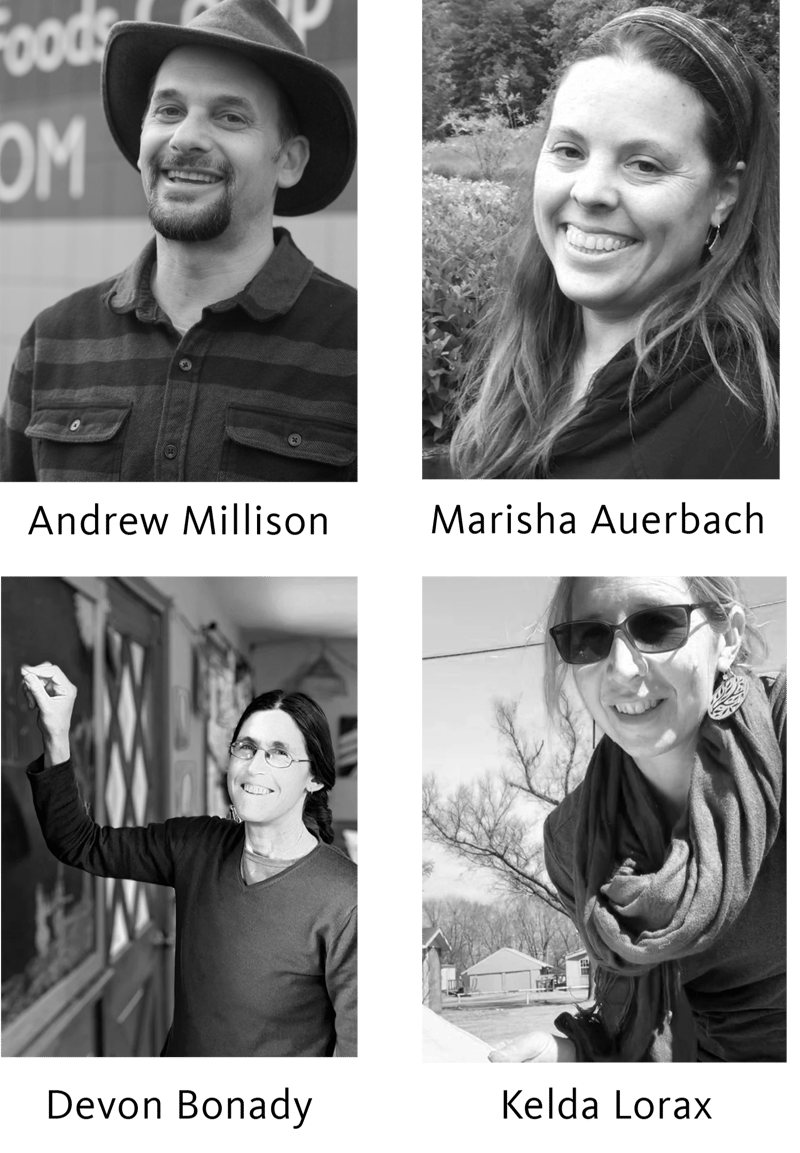
"The course was highly professional but at the same time deeply rooted in the personal experience of the instructors, who were also hugely helpful, ready to answer questions and provide ample learning materials for further learning. The webinars had a very pleasant, friendly atmosphere." from student of the Permaculture Garden Fundamentals Course
This mini course combines live instruction with interactive learning. You are not doing this alone.
You will receive:
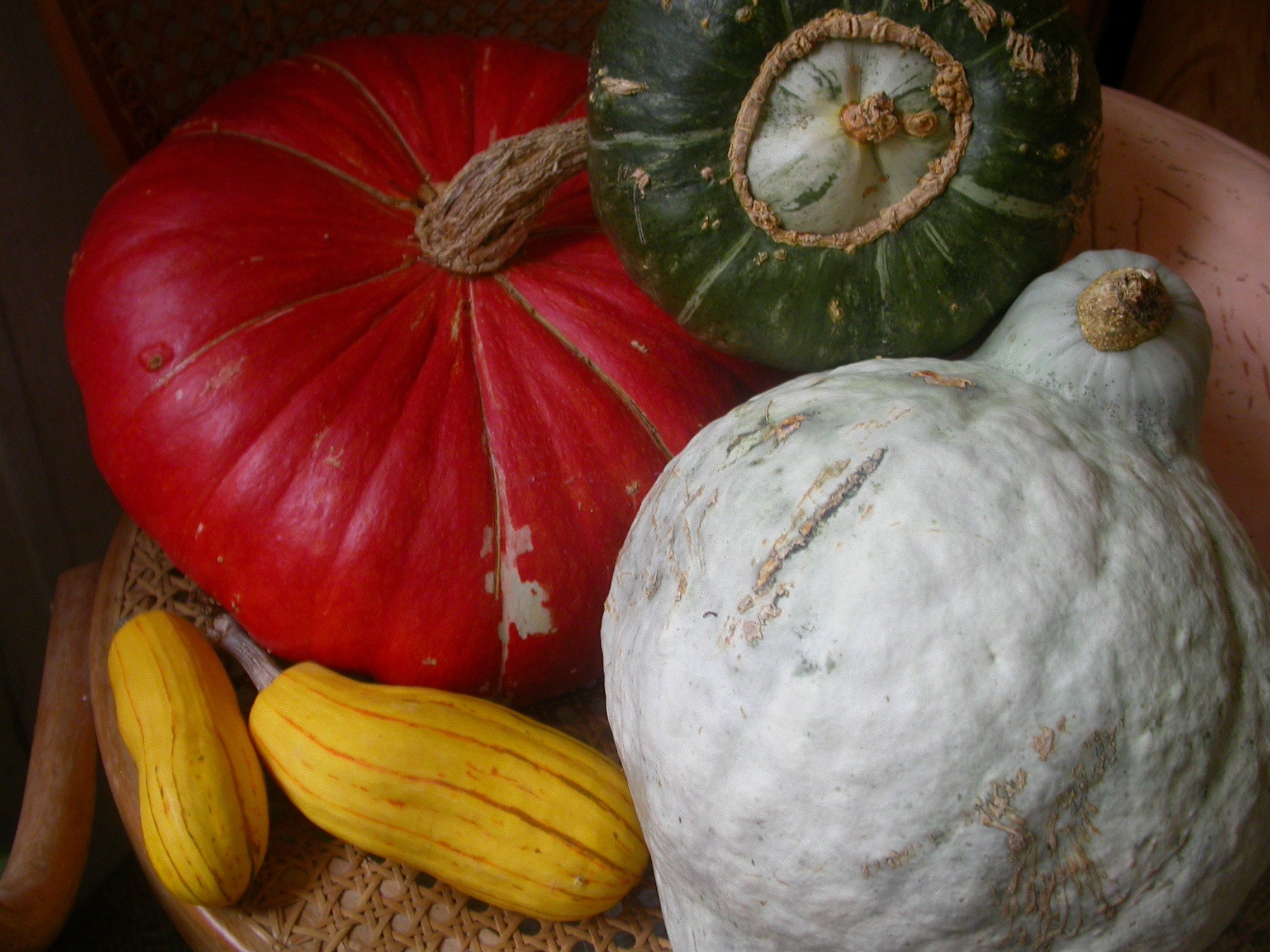 |
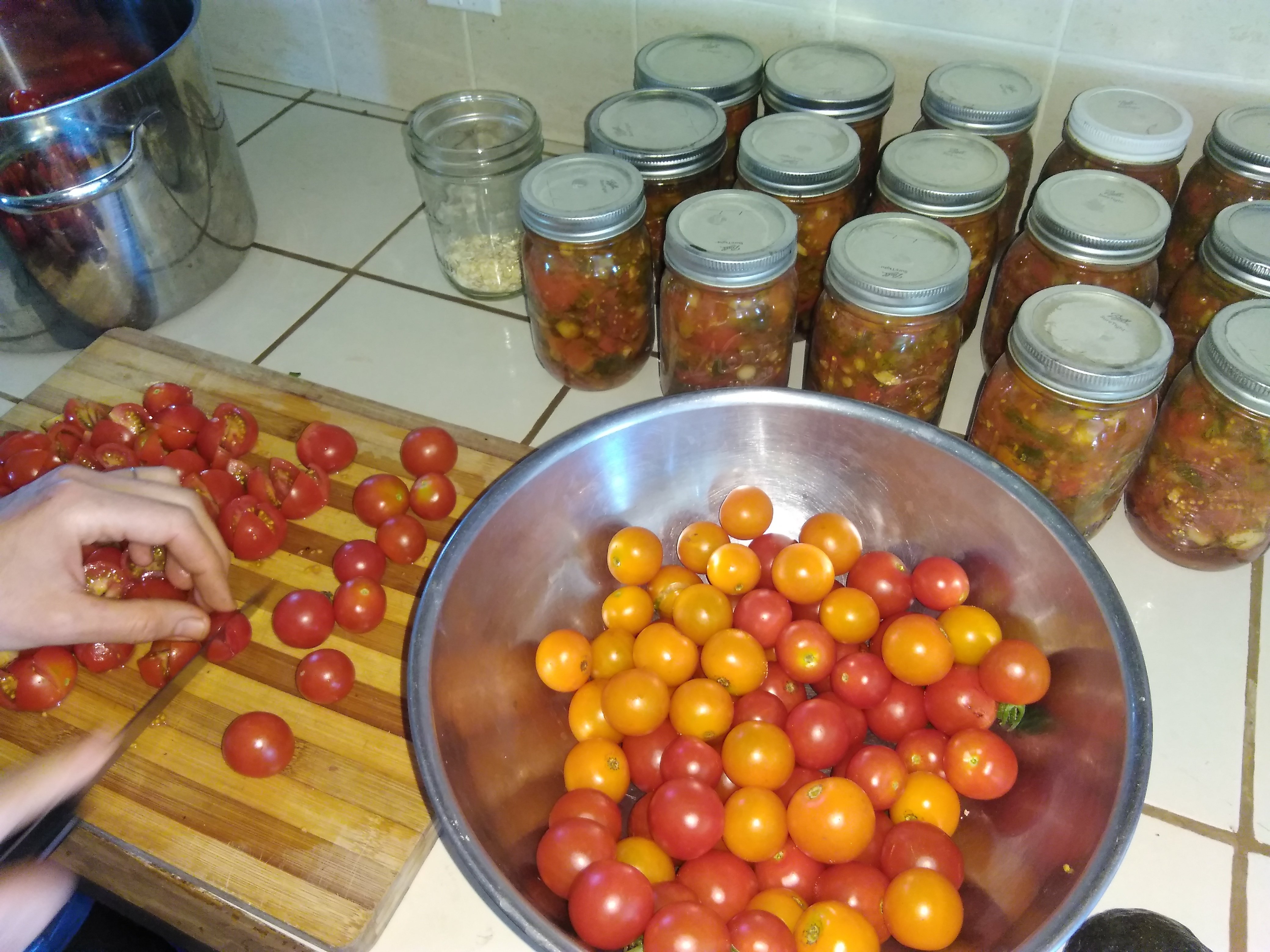 |
 |
Letting a harvest go to waste, or heading into winter without preparing your garden, are easy mistakes to make without the right guidance.
This course series helps you avoid those common setbacks and move forward with confidence.
You will save time. You will preserve more food. You will build a seasonal system that improves each year.
This course is a follow-up to the Permaculture Gardening Fundamentals course. Taking that course first is not required. This is a stand-alone course.
This course focuses on annual vegetable gardening and end-of-season practices. If you later want to expand into full site design, water systems, and perennial planning, those topics are explored more deeply in OSU's full Permaculture Design Course.
Live webinars: Tuesdays 4:00–5:30 PM PST on September 8, 15, 22, and 29
3–4 hours per week (includes webinar attendance)
Online
Register Now for Free Webinar or Full Paid Course ($250)


.png?width=45&height=45&name=price%20(2).png)